
Checking your credit score has never been easier. With so many free credit score websites available today, it’s tempting to assume they all offer the same value. However, when it comes to making real financial decisions, such as applying for a loan, credit card, or mortgage, the details matter.
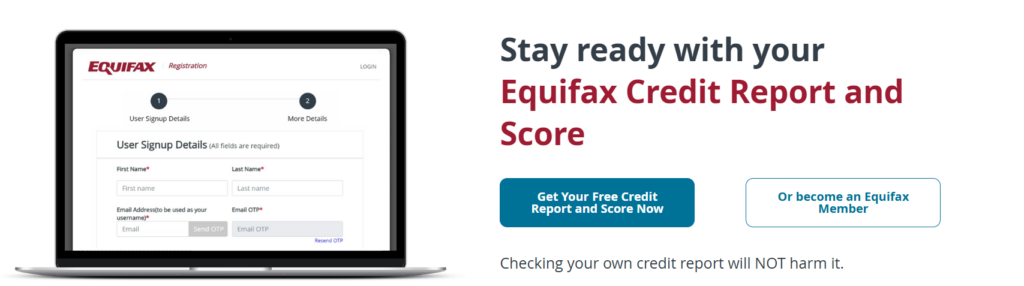
Some platforms provide only a surface-level view of your credit, while others give access to the same data lenders rely on. In this comparison, we take a clear look at Equifax vs free credit score sites to help you understand what you truly get and which option makes more sense for your financial goals. Review the benefits of Equifax here and make an informed decision accordingly.
Equifax vs Free Credit Score Sites: What You Really Get
1. Credit Score Accuracy: Real Data vs Estimates
Free credit score sites usually rely on estimated models. These scores may differ from what lenders see. Equifax receives data directly from lenders, making it far more reliable.
2. Depth of Credit Report
Equifax provides detailed payment history, credit utilization, inquiries, and account behavior, not just summaries.
3. Credit Monitoring & Alerts
Equifax offers ongoing monitoring and alerts so you can act quickly when something changes.
Who Should Use Free Credit Score Sites?
- Quick score checks
- Basic awareness
- No immediate financial goals
Who Should Choose Equifax?
- Loan or credit card applicants
- People who want accurate bureau data
- Anyone serious about identity protection
Final Verdict
Free credit score sites are fine for quick checks, but Equifax gives deeper insights, better accuracy, and stronger protection for long-term financial planning.